
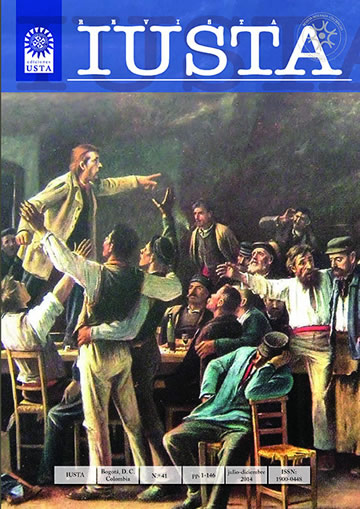
Los impuestos territoriales en Colombia y la inequidad social, ¿la voluntad de la clase dominante erigida en ley?
Property taxes in colombia and social inequality, The will of the ruling class made into a law?
Abstract (en)
This document is one critical analysis of the regressivity of the tax system performsboth work departmental level and at the municipal level. For the former, the outlook
remains supported by the ability of regional governments to increase the vice so
that the population increase the consumption of alcohol, snuff and game of chance,
which are the backbone of its resources and they are classified as indirect taxes,
which are regressive nature. On the other hand, municipal income present a similar
result against tax inequity, since most of the own revenues come from consumption
taxes (industry and trade), which is also characterized by regressive in nature.
Abstract (es)
References
Beltrán, G., y Torres, G. (2004). Finanzas Públicas. Bogotá, Colombia: Escuela Superior de Administración Pública –ESAP–.
Departamento Nacional de Planeación –DNP–. (2013). Desempeño fiscal de los departamentos y municipios vigencia 2012. Bogotá: Imprenta Nacional de Colombia. Departamento Nacional de Planeación –DNP–.
Fino, G. (2012). Reforma tributaria municipal, una propuesta de crecimiento con equidad. Bogotá, Colombia: Editorial Temis.
Musgrave, R. (1959). The theory of public finance: a study in public economy. New York:
McGraw-Hill. Musgrave y Musgrave. (1992). Hacienda Pública Teórica y Aplicada. Editorial McGraw-Hill.
Ramírez, J. (2011). La Hacienda Pública en Colombia. Bogotá, Colombia: Librería Ediciones del Profesional Ltda.
Restrepo, J. C. (2008). Hacienda Pública. Bogotá: Universidad Externado, octava edición.
Silva, J., Páez, P., y Rodríguez, P. (2008). Finanzas Públicas Territoriales. Bogotá, Colombia: Escuela Superior de Administración Pública –ESAP–.
How to Cite
License
IUSTA Journal is under license Creative Commons Atribución-NoComercial-CompartirIgual 4.0 Internacional (CC BY-NC-SA 4.0)


