
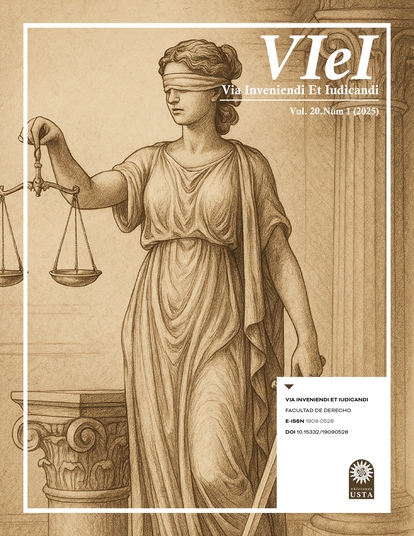
Overlooking The Phenomenon of Religious Intolerance And Discrimination Within The Framework of The State Constitution: A study in Indonesia
La intolerancia y la discriminación religiosas en el marco de la Constitución del Estado: un estudio en Indonesia
Abstract (en)
One of the rights and freedoms of citizens recognized and protected by the Indonesian constitution is the right to have a religion and belief. This acknowledgment affirms that the diversity of religions and beliefs is safeguarded by the constitution. However, the constitutional recognition and guarantee of these rights and freedoms, which reflect the diversity of religions and beliefs, do not necessarily materialize into reality. In practice, the relationship among citizens belonging to different religions and beliefs is often marked by disharmony and conflict. Discrimination and intolerance towards followers of minority religions and adherents of certain beliefs have intensified in the last few decades. This phenomenon of intolerance and discrimination presents a paradox for the Indonesian people. The reason for this paradox is that pluralism has been a natural aspect of Indonesian society since ancient times. The phrase “Bhinneka Tunggal Ika” demonstrates that indigenous Indonesians have long embraced pluralism. Behind the paradox of intolerance and discrimination, the struggle for constitutional values originating from Pancasila is in conflict with other values that contradict these principles. This battle between the two sets of values undermines the integrity of the Indonesian constitution. These conditions give rise to the following questions: What causes the paradox of intolerance and discrimination that reflects anti-pluralism attitudes in Indonesia over the last few decades? The research methods employed in this study are juridical-normative and juridical-philosophical. The research concludes that the paradoxical phenomenon of intolerance and discrimination, which reflects an anti-plurality attitude and has led to a constitutional crisis, is primarily due to the influence of radical values that have been spreading in Indonesia in recent times. The author suggests that legislation on the rights and freedoms of religion and belief should be promptly enacted to provide legal protection for every citizen.
Abstract (es)
Uno de los derechos y libertades de los ciudadanos que se reconocen y protegen en la Constitución de Indonesia es el derecho y la libertad de tener una religión y una creencia. Esto significa que la diversidad de religiones y creencias está reconocida y protegida por la Constitución de Indonesia. Sin embargo, el reconocimiento y la garantía constitucional de los derechos y libertades de los ciudadanos que reflejan la diversidad de religiones y creencias no se materializan necesariamente en la realidad. En la práctica, la relación entre los ciudadanos que pertenecen a diferentes religiones y creencias no es armoniosa y enfrenta problemas. El tratamiento de la discriminación y la intolerancia hacia los seguidores de religiones minoritarias y los adeptos de ciertas creencias se ha intensificado en las últimas décadas. El fenómeno de la intolerancia y la discriminación es una paradoja para el pueblo indonesio. La razón es que, para la nación indonesia, el pluralismo ha sido algo natural desde la antigüedad. La frase “Bhinneka Tunggal Ika” demuestra que los indonesios indígenas han conocido el pluralismo desde hace mucho tiempo. Detrás de las paradojas de la intolerancia y la discriminación, la lucha por los valores constitucionales que se originan en Pancasila se encuentra en agitación con otros valores que son contrarios a Pancasila. La batalla entre estos dos conjuntos de valores implica socavar los principios de la Constitución indonesia. Estas condiciones dan lugar a los siguientes problemas: ¿Cuál es la causa de la paradoja de la intolerancia y la discriminación que refleja las actitudes antipluralistas en las últimas décadas en Indonesia? Los métodos de investigación utilizados son jurídico-normativos y jurídico-filosóficos. Las conclusiones de la investigación que se pueden presentar son las siguientes: El fenómeno paradójico de la intolerancia y la discriminación, que refleja la actitud antipluralista que se ha producido en las últimas décadas y ha llevado a una crisis constitucional, se debe a la influencia del desarrollo de valores radicales que se han estado extendiendo en Indonesia en los últimos tiempos. El autor puede presentar sugerencias para que la ley sobre los derechos y la libertad de religión y creencias se promulgue de inmediato para brindar protección legal a todos los ciudadanos.
How to Cite
License
Copyright (c) 2025 Via Inveniendi Et Iudicandi

This work is licensed under a Creative Commons Attribution-NonCommercial-ShareAlike 4.0 International License.
VIeI Journal is under license Creative Commons Atribución-NoComercial-CompartirIgual 4.0 Internacional (CC BY-NC-SA 4.0)


